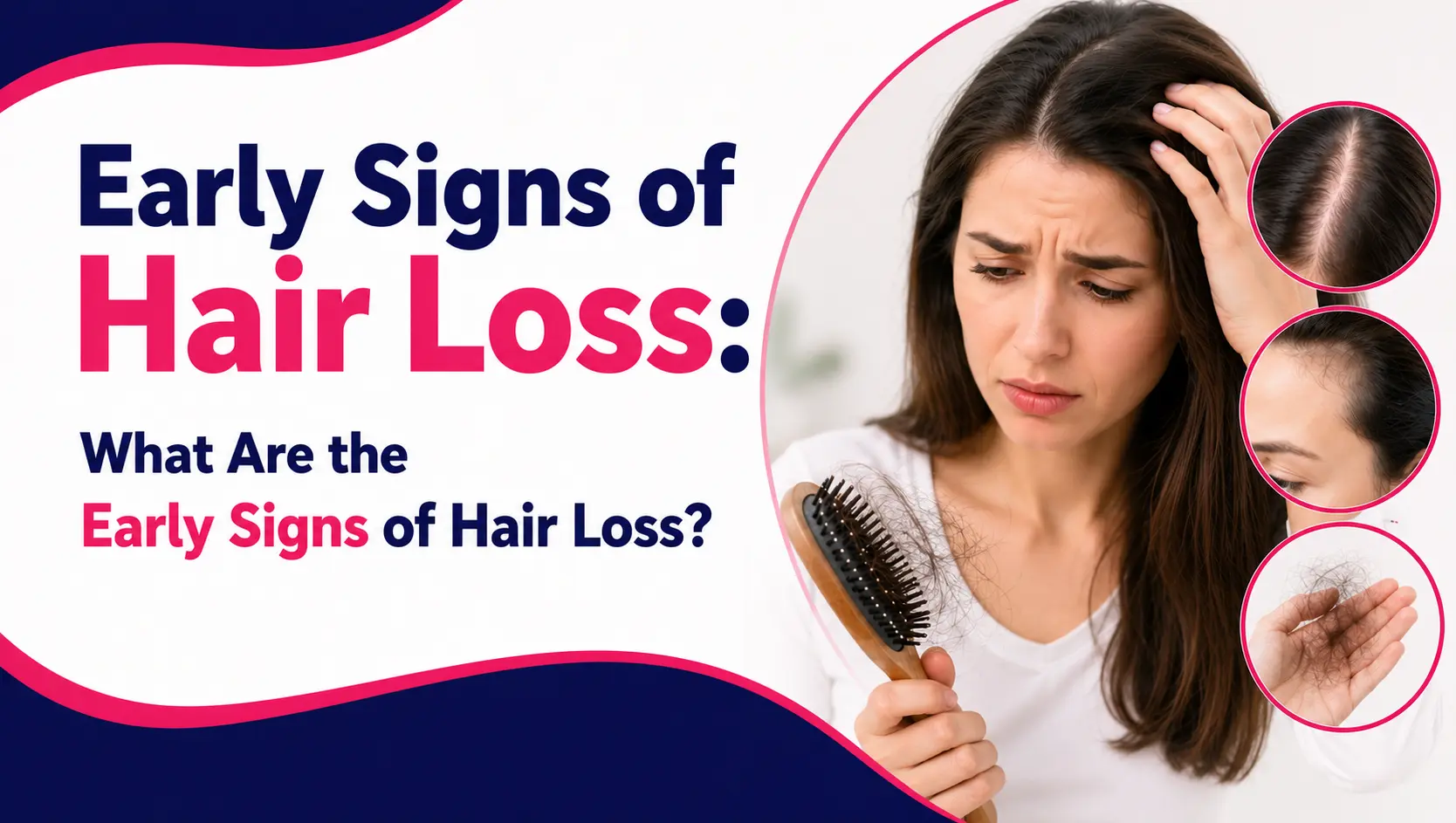

Hair thinning often begins with subtle changes that many people ignore until significant hair loss becomes visible. Recognizing the early signs of hair loss can help you take timely action and improve your chances of preserving healthy hair. According to the American Academy of Dermatology (AAD), losing 50–100 hairs per day is normal, but persistent shedding beyond this range may indicate an underlying issue. Additionally, the International Society of Hair Restoration Surgery (ISHRS) reports that over 80% of men and nearly 50% of women experience noticeable hair loss during their lifetime. In this guide, you’ll learn the early signs of hair loss, common causes, effective treatment options, and practical prevention tips to protect your scalp and support long-term hair growth. Noticing the early signs of hair loss? Don’t wait for thinning to become more noticeable. Visit HairPro16 to get a professional scalp assessment and personalized treatment plan designed to address hair loss at its earliest stage, Unsure whether your hair shedding is normal? HairPro16 provides comprehensive scalp and hair analysis to identify the underlying cause and help you make informed decisions about your hair health. .
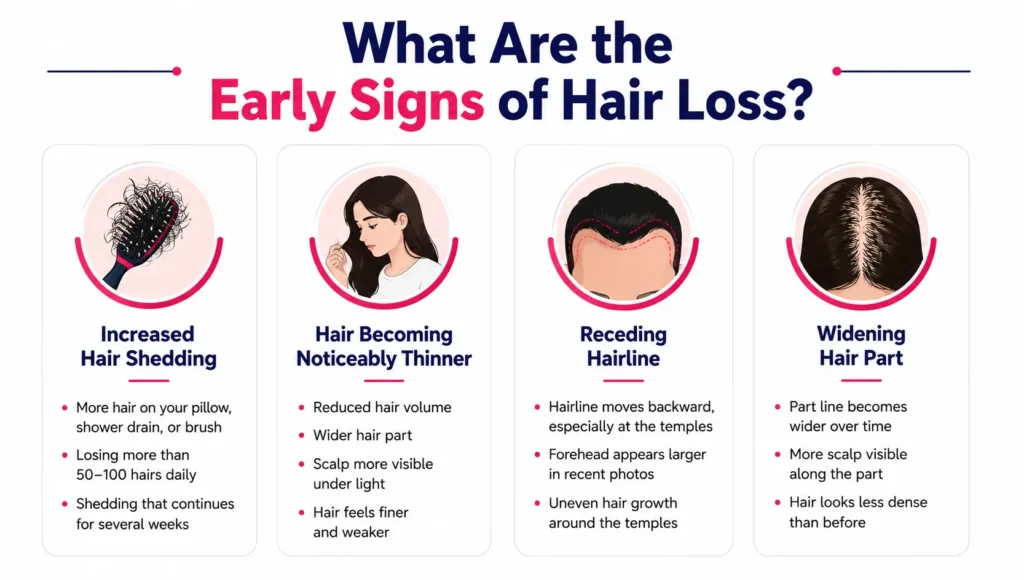
The early signs of hair loss often appear gradually, making them easy to overlook. You may notice more hair on your pillow, in the shower, or caught in your hairbrush. Your hair may also feel thinner, your part may widen, or your hairline may begin to recede. According to the American Academy of Dermatology (AAD), losing 50 to 100 hairs a day is normal, but consistent shedding beyond this range may signal an underlying problem. Recognizing the early signs of hair loss allows you to seek timely treatment, improve scalp health, and reduce the risk of progressive thinning or permanent hair loss.
One of the most common early signs of hair loss is increased hair shedding. While losing some hair each day is part of the natural hair growth cycle, excessive shedding deserves attention. If you regularly find large amounts of hair on your pillow, shower drain, or comb, your scalp may be responding to stress, nutritional deficiencies, hormonal changes, or certain medical conditions. According to the American Academy of Dermatology, most people lose 50–100 hairs daily, but shedding beyond this range over several weeks may indicate abnormal hair loss. Monitoring changes in your daily hair fall helps you identify problems early and seek professional guidance before noticeable thinning develops.
Hair becoming noticeably thinner is another important early sign of hair loss. Instead of losing large clumps of hair, you may observe that your ponytail feels smaller, your scalp becomes more visible, or your hairstyle lacks its usual volume. Gradual thinning often develops over several months and may result from genetics, hormonal imbalance, poor nutrition, or chronic stress. Paying attention to these subtle changes can help you take action before hair loss progresses.
Common signs include:
Early evaluation and proper scalp care can help slow further thinning and support healthier hair growth.
A receding hairline is one of the most recognizable early signs of hair loss, especially in men, although women can also experience it. The hairline gradually moves backward, usually starting at the temples, creating an “M” shape over time. This pattern often develops because of genetic factors and hormonal changes associated with male or female pattern hair loss. According to the International Society of Hair Restoration Surgery (ISHRS), millions of people experience pattern hair loss each year, making early detection essential.
Examples:
Recognizing these changes early gives you a better chance of slowing hair loss with appropriate treatment and scalp care.
Understanding the common causes behind the early signs of hair loss can help you take the right steps before the condition worsens. Hair loss rarely happens without a reason. Genetics, hormonal changes, chronic stress, poor nutrition, medical conditions, scalp disorders, and unhealthy hair care habits can all affect the normal hair growth cycle. According to the American Academy of Dermatology (AAD), hereditary hair loss remains the most common cause of thinning hair in both men and women. Identifying the root cause of the early signs of hair loss allows you to choose the most effective treatment, improve scalp health, and support stronger, healthier hair growth. Every hair loss journey is different. At HairPro16, we identify the root cause of your hair thinning and recommend customized treatments to support healthier, stronger hair growth.
Genetics is one of the leading causes of the early signs of hair loss. If close family members have experienced pattern baldness or thinning hair, you may have a higher risk of developing similar symptoms. This condition, known as androgenetic alopecia, affects both men and women and often begins gradually. According to the International Society of Hair Restoration Surgery (ISHRS), hereditary hair loss accounts for the majority of hair loss cases worldwide. You may first notice a receding hairline, thinning at the crown, or a widening part. Although you cannot change your genes, early diagnosis, proper scalp care, and evidence-based treatments can slow progression and help preserve hair density for longer.
Hormonal changes often trigger the early signs of hair loss by disrupting the natural hair growth cycle. Fluctuations in hormones can shorten the growth phase of hair, causing increased shedding and gradual thinning. Pregnancy, childbirth, menopause, thyroid disorders, and conditions such as polycystic ovary syndrome (PCOS) commonly contribute to hormone-related hair loss. Seeking medical advice early helps identify hormonal imbalances and improves treatment outcomes before hair loss becomes more noticeable.
| Hormonal Condition | How It Affects Hair |
| Pregnancy & Postpartum | Temporary increase in hair shedding after childbirth |
| Menopause | Reduced estrogen levels can cause thinning hair |
| Thyroid Disorders | Both hypothyroidism and hyperthyroidism may lead to diffuse hair loss |
| PCOS | Higher androgen levels can contribute to female pattern hair loss |
| Hormonal Medications | Some contraceptives or hormone therapies may increase shedding |
Stress is a common but often overlooked cause of the early signs of hair loss. Physical or emotional stress can push a larger number of hair follicles into the resting phase, leading to increased shedding several weeks or months later. This condition, called telogen effluvium, usually develops after a significant stressful event. According to the American Academy of Dermatology, reducing stress and addressing its underlying cause can help restore normal hair growth over time.
Examples of stress-related triggers include:
Managing stress through regular exercise, quality sleep, a balanced diet, and relaxation techniques can support healthier hair and reduce the progression of the early signs of hair loss.
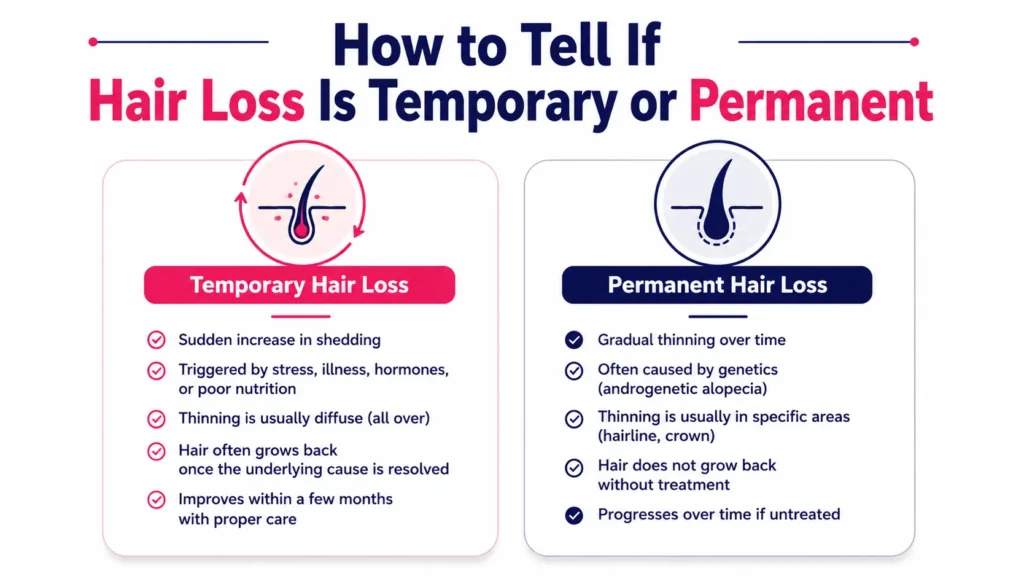
Recognizing whether your hair loss is temporary or permanent helps you choose the right treatment. The early signs of hair loss may look similar at first, but the underlying cause often determines whether your hair can grow back naturally. Temporary hair loss usually follows stress, illness, hormonal changes, or nutritional deficiencies and often improves once the trigger is addressed. Permanent hair loss, such as hereditary pattern baldness, progresses gradually without treatment. According to the American Academy of Dermatology (AAD), early diagnosis significantly improves treatment success. If the early signs of hair loss continue for more than three months, consult a hair specialist for a proper evaluation.
Temporary hair loss often occurs when a specific event disrupts the normal hair growth cycle. Common triggers include high stress, childbirth, fever, surgery, rapid weight loss, certain medications, or vitamin deficiencies. In many cases, hair begins to regrow within three to six months after the underlying cause is resolved. This type of hair loss, known as telogen effluvium, does not permanently damage the hair follicles. Instead, the follicles remain healthy and resume producing new hair over time. If you notice the early signs of hair loss after a stressful event or illness, focus on improving your overall health, maintaining a balanced diet, and following a proper scalp care routine to support recovery.
Chronic hair loss develops gradually and often continues unless you receive appropriate treatment. One of the most common causes is hereditary pattern baldness, which affects both men and women. Unlike temporary shedding, chronic hair loss usually causes progressive thinning and reduced hair density over time. Recognizing the early signs of hair loss allows you to start treatment sooner and slow further progression.
Common signs of chronic hair loss include:
Early consultation with a hair specialist can help preserve existing hair and improve long-term results.
Some early signs of hair loss require prompt medical evaluation because they may indicate an underlying health condition. Sudden or severe hair loss should never be ignored, especially when it occurs alongside other symptoms. Early diagnosis can help identify treatable causes and prevent further hair thinning.
Examples of warning signs include:
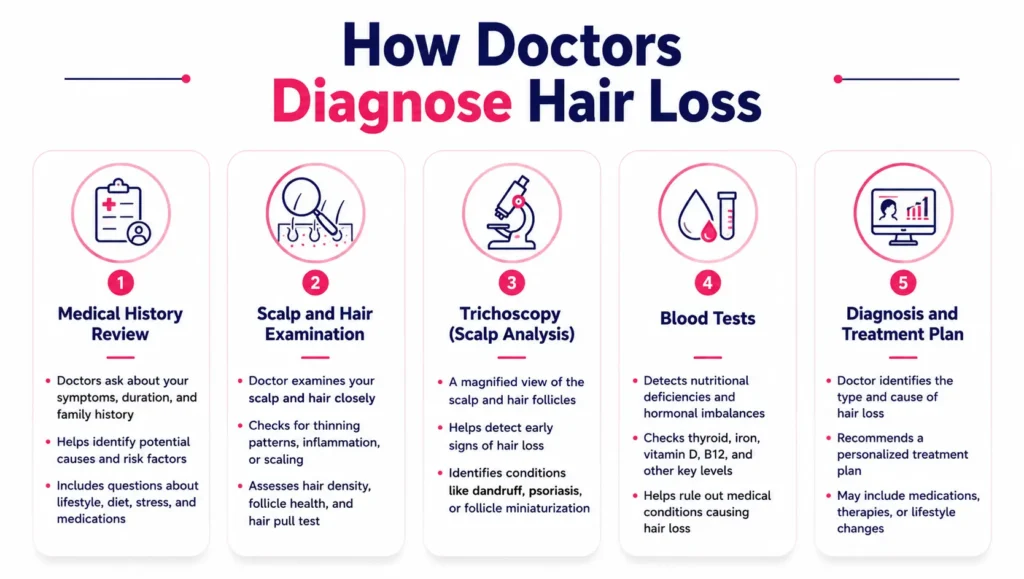
Diagnosing hair loss starts with identifying the underlying cause rather than treating the symptoms alone. According to the National Institutes of Health (NIH), an accurate diagnosis involves evaluating medical history, performing a physical examination, and using appropriate diagnostic tests to determine the underlying cause of hair loss. If you notice the early signs of hair loss, a doctor or hair specialist will evaluate your scalp, hair growth pattern, medical history, and lifestyle. They may also recommend simple clinical tests to determine whether your hair loss is temporary or permanent. According to the American Academy of Dermatology (AAD), early diagnosis improves treatment outcomes because many forms of hair loss respond better when treated in their initial stages. Identifying the cause of the early signs of hair loss allows your doctor to create a personalized treatment plan that supports healthier hair growth and prevents further thinning.
Your medical history provides valuable clues about the early signs of hair loss. During the consultation, your doctor will ask when the hair loss began, how quickly it progressed, and whether you have experienced recent illness, surgery, stress, or significant weight loss. They will also review your family history because hereditary hair loss remains one of the most common causes of thinning hair. In addition, your doctor may ask about medications, dietary habits, hormonal changes, and existing medical conditions such as thyroid disorders or anemia. Honest and detailed answers help identify possible triggers and guide further evaluation. A thorough medical history often forms the foundation for an accurate diagnosis and an effective treatment strategy.
A physical examination helps doctors assess the early signs of hair loss by closely inspecting your scalp, hair density, and hair growth pattern. They look for thinning areas, inflammation, redness, scaling, or signs of infection. This examination also helps distinguish between temporary shedding, hereditary hair loss, and scalp disorders. Combined with your medical history, the findings provide important information for selecting the most appropriate treatment.
| Examination Area | What the Doctor Checks |
| Hair Density | Measures overall thickness and volume of hair |
| Hairline | Looks for recession or changes in shape |
| Scalp Condition | Checks for redness, dandruff, scaling, or infection |
| Bald Patches | Identifies localized or patchy hair loss |
| Hair Shaft Quality | Examines hair strength, breakage, and texture |
| Hair Growth Pattern | Distinguishes between diffuse thinning and pattern hair loss |
The Hair Pull Test is a quick and painless clinical procedure that helps doctors evaluate the early signs of hair loss. During the test, the doctor gently pulls a small group of about 40–60 hairs from different areas of your scalp. Normally, only a few hairs come out. If several hairs release easily, it may indicate active hair shedding, such as telogen effluvium or another underlying condition. Although the test cannot identify the exact cause, it helps determine whether hair loss is ongoing.
Examples of when a Hair Pull Test may be recommended:
Doctors often combine the Hair Pull Test with scalp examination and laboratory tests to reach a more accurate diagnosis and recommend the right treatment.
Recognizing the early signs of hair loss is the first step toward protecting your hair and maintaining long-term scalp health. Whether you notice increased hair shedding, thinning hair, a receding hairline, or a widening part, taking action early can make a significant difference. Many causes of hair loss, including nutritional deficiencies, stress, hormonal changes, and scalp conditions, respond better to timely diagnosis and personalized treatment. By understanding the early signs of hair loss and seeking professional guidance, you can slow progression, improve hair growth, and preserve your natural hair density.
Take the Next Step with HairPro16
If you’re experiencing the early signs of hair loss, don’t wait until the problem becomes more advanced. At HairPro16, our experienced specialists provide personalized hair and scalp assessments to identify the root cause of your hair loss and recommend effective, science-backed treatment plans. Whether you need expert scalp care, advanced hair restoration solutions, or natural hair growth support, we’re here to help you regain healthier, stronger hair. Book your consultation with HairPro16 today and take the first step toward restoring your confidence and achieving long-lasting hair health. Healthy hair begins with a healthy scalp. If you’ve noticed increased shedding, thinning, or a receding hairline, HairPro16 offers advanced scalp analysis and effective solutions to help restore hair health.Hair loss is easier to treat when detected early. Book a consultation with HairPro16 for a professional scalp assessment and personalized treatment plan.
1. What are the early signs of hair loss?
Common signs include increased hair shedding, thinning hair, a receding hairline, a wider hair part, and visible scalp.
2. Is losing 50–100 hairs a day normal?
Yes. Losing 50–100 hairs daily is normal. Consistent shedding beyond this may need medical evaluation.
3. Can the early signs of hair loss be reversed?
Yes. Early treatment can slow hair loss and improve hair regrowth, depending on the underlying cause.
4. What causes the early signs of hair loss?
Genetics, hormonal changes, stress, nutritional deficiencies, scalp conditions, and certain medical conditions are common causes.
5. At what age can hair loss begin?
Hair loss can begin at any age, but hereditary hair loss often starts in the 20s or 30s.
6. Can stress cause hair loss?
Yes. Chronic stress can trigger excessive hair shedding by disrupting the hair growth cycle.
7. When should I see a hair specialist?
Consult a specialist if hair loss lasts longer than three months or you notice rapid thinning or bald patches.
8. Which vitamins help prevent hair loss?
Iron, vitamin D, biotin, vitamin B12, zinc, and protein support healthy hair growth.
9. How do doctors diagnose hair loss?
Doctors use your medical history, scalp examination, hair pull test, and blood tests to identify the cause.
10. What is the best treatment for early hair loss?
The best treatment depends on the cause and may include lifestyle changes, medications, PRP therapy, or personalized hair restoration treatments.