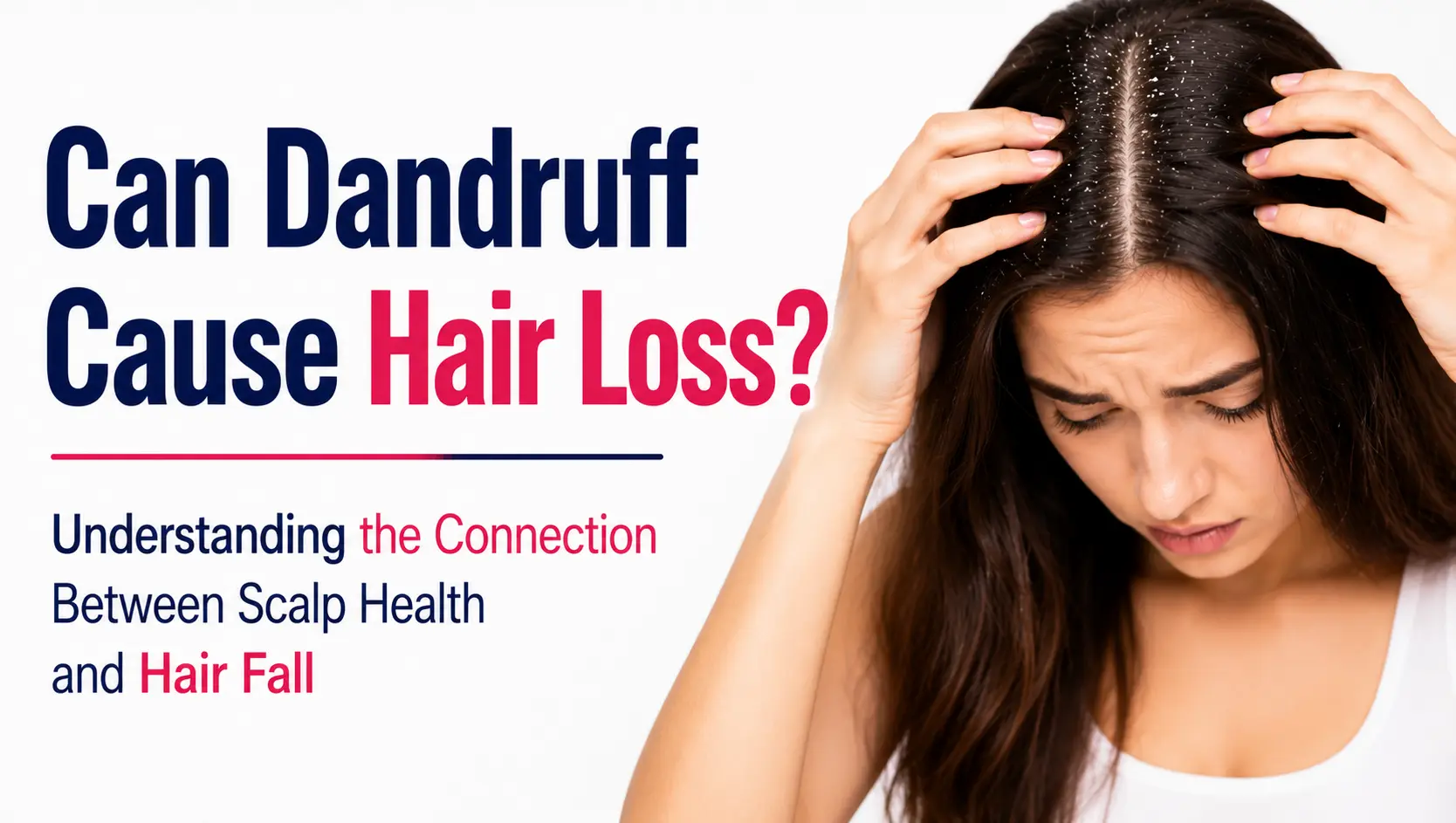

Dandruff and hair fall often occur together, leaving many people wondering, can dandruff cause hair loss? While dandruff does not directly cause permanent baldness, an unhealthy scalp, persistent inflammation, and constant scratching can contribute to temporary hair shedding. According to the American Academy of Dermatology, dandruff affects nearly 50% of adults worldwide, making it one of the most common scalp conditions. Left untreated, it can disrupt scalp health and weaken the environment needed for healthy hair growth. The good news is that dandruff-related hair fall is usually manageable with the right diagnosis and treatment. In this guide, you’ll learn can dandruff cause hair loss, the science behind the connection, common causes, effective treatments, prevention tips, and when it’s time to consult a hair specialist for expert care.Every scalp is different, and successful treatment starts with the right diagnosis. At HairPro16, our specialists evaluate your scalp condition and recommend treatments that support long-term hair healthExp.
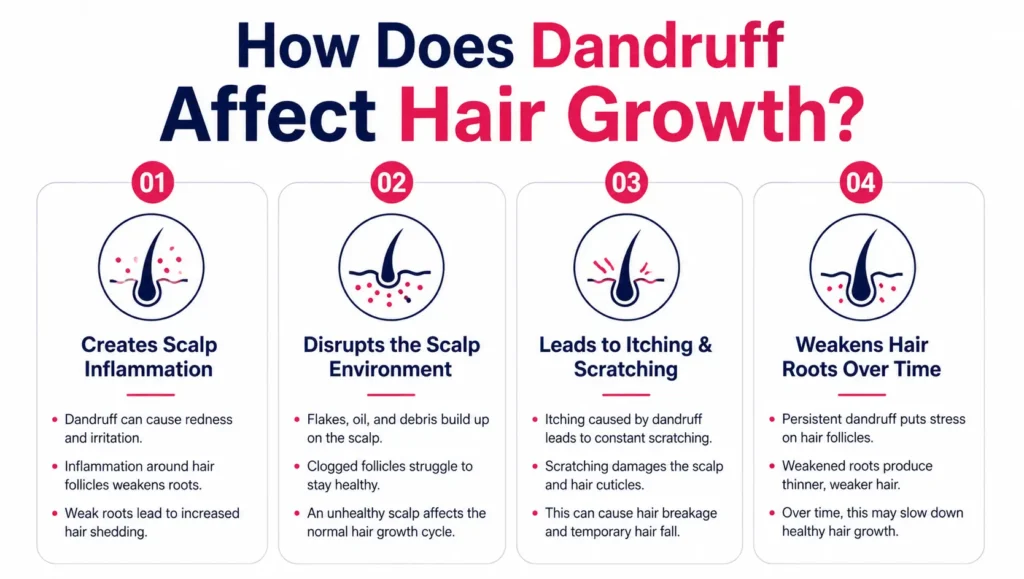
Many people ask, can dandruff cause hair loss, especially when they notice more hair strands on their pillow or in the shower. Dandruff does not stop hair growth directly, but it creates an unhealthy scalp environment that affects the hair growth cycle. An itchy, inflamed scalp can weaken hair roots and increase hair shedding. According to the American Academy of Dermatology, frequent scratching may injure the scalp and damage hair cuticles, making hair more likely to break. Healthy hair grows best from a clean, balanced scalp. Treating dandruff early helps reduce inflammation, supports stronger hair follicles, and promotes healthier hair growth over time.
If you wonder, can dandruff cause hair loss, scalp inflammation plays a major role in the answer. Dandruff often triggers irritation and redness around hair follicles, especially when left untreated. This inflammation weakens the scalp’s natural barrier and places stress on growing hair. Constant itching encourages scratching, which can further irritate the follicles and increase hair shedding. Research published in dermatology literature shows that dandruff affects nearly 50% of adults worldwide, making scalp inflammation a common concern. While inflammation does not usually destroy hair follicles permanently, it can disrupt the normal hair growth cycle and lead to temporary hair fall. Managing dandruff with proper scalp care and suitable treatments helps calm inflammation, strengthen hair roots, and support healthier hair growth.
An oily scalp often creates the perfect environment for dandruff to develop, leading many people to ask, can dandruff cause hair loss. Excess sebum mixes with dead skin cells, sweat, and product residue, forming a thick layer on the scalp. This build-up can clog hair follicles and increase irritation, making hair more prone to shedding.
Common effects of excess oil and scalp build-up include:
Keeping your scalp clean with a suitable anti-dandruff shampoo and avoiding heavy styling products can reduce build-up, improve scalp health, and support stronger hair growth.
One of the most common reasons people ask, can dandruff cause hair loss, is the presence of a naturally occurring yeast called Malassezia. This fungus lives on most healthy scalps, but excessive growth can trigger dandruff, irritation, and inflammation. As the scalp becomes itchy, repeated scratching may weaken hair roots and increase temporary hair shedding. Although the fungus does not directly destroy hair follicles, it creates conditions that affect healthy hair growth.
Examples of fungal overgrowth include:
Treating fungal overgrowth with medicated antifungal shampoos and maintaining good scalp hygiene helps control dandruff, reduce inflammation, and create a healthier environment for stronger hair growth.
If you wonder can dandruff cause hair loss, understanding what causes dandruff is the first step. Dandruff develops when the scalp’s natural balance becomes disrupted. Common triggers include fungal overgrowth, excess oil production, dry skin, hormonal changes, stress, and certain hair care products. According to the American Academy of Dermatology, dandruff affects nearly 50% of adults worldwide, making it one of the most common scalp conditions. While dandruff itself does not directly damage hair follicles, untreated scalp irritation can contribute to increased hair shedding. Identifying the underlying cause allows you to choose the right treatment, improve scalp health, and reduce the risk of dandruff-related hair fall.
A naturally occurring yeast called Malassezia lives on almost everyone’s scalp, but excessive growth often leads people to ask, can dandruff cause hair loss. This fungus feeds on the scalp’s natural oils and produces by-products that may irritate sensitive skin. As irritation increases, the scalp responds by shedding skin cells more quickly, resulting in visible dandruff flakes. Persistent itching often causes repeated scratching, which can weaken hair roots and increase temporary hair shedding. Research shows that Malassezia plays a significant role in many cases of dandruff and seborrheic dermatitis. Controlling fungal growth with antifungal shampoos containing ingredients like ketoconazole or zinc pyrithione helps reduce inflammation, minimize flakes, and maintain a healthier scalp environment for stronger hair growth.
Dry skin is one of the most common reasons for dandruff, especially during colder weather or in low-humidity environments. Many people experiencing a dry scalp also ask, can dandruff cause hair loss. When the scalp lacks moisture, it becomes tight, flaky, and itchy. Frequent scratching may irritate the scalp and increase temporary hair shedding. Unlike oily dandruff, dry scalp flakes are usually smaller and fall off easily. Keeping the scalp hydrated with gentle shampoos and moisturizers helps reduce flakes and supports healthy hair growth.
| Feature | Dry Scalp Dandruff |
| Flake Size | Small, fine, white flakes |
| Scalp Condition | Dry, tight, rough |
| Oil Production | Low |
| Itching | Mild to moderate |
| Hair Impact | Temporary shedding due to scratching |
An oily scalp creates ideal conditions for dandruff because excess sebum mixes with dead skin cells and encourages the growth of Malassezia. This often leads people to ask, can dandruff cause hair loss. Although oil itself does not cause hair loss, the resulting inflammation and persistent itching can increase temporary hair shedding. An oily scalp also traps dirt, sweat, and styling products, making dandruff more difficult to control.
Examples of an oily scalp include:
Using a suitable anti-dandruff shampoo and washing your hair regularly helps control excess oil, reduce scalp irritation, and support healthier hair growth.
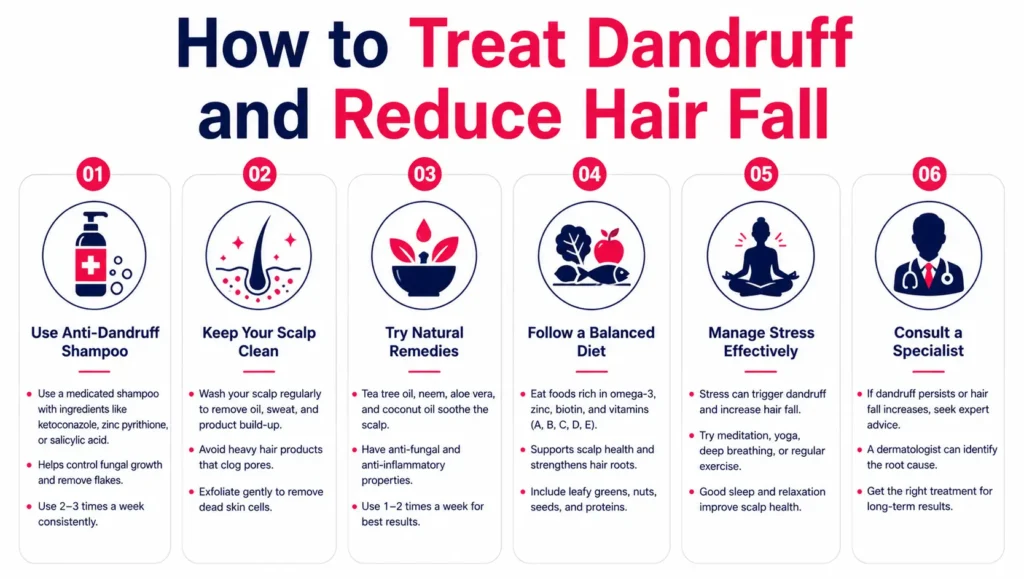
If you are asking, can dandruff cause hair loss, the good news is that early treatment can reduce dandruff-related hair shedding. Start by identifying the root cause of your dandruff and following a consistent scalp care routine. According to the American Academy of Dermatology, medicated shampoos containing antifungal or anti-inflammatory ingredients effectively control many cases of dandruff. Keeping your scalp clean, managing stress, eating a balanced diet, and avoiding excessive scratching also support healthier hair. can dandruff cause hair loss While dandruff rarely causes permanent hair loss, treating scalp inflammation promptly helps protect hair follicles, reduce temporary shedding, and create the right environment for stronger, healthier hair growth. A healthy scalp is the foundation of healthy hair. If dandruff, itching, or excessive hair shedding continues despite home remedies, visit HairPro16 for an expert scalp assessment and evidence-based treatment plan.
Many people searching can dandruff cause hair loss benefit from using a medicated anti-dandruff shampoo as their first line of treatment. These shampoos target the underlying causes of dandruff, including fungal overgrowth, excess oil, and scalp inflammation. Dermatologists often recommend active ingredients such as ketoconazole, zinc pyrithione, selenium sulfide, or salicylic acid based on your scalp condition. Studies show that shampoos containing ketoconazole can significantly reduce dandruff symptoms with regular use. For the best results, massage the shampoo gently into your scalp and leave it on for several minutes before rinsing. Consistent use helps reduce flakes, calm itching, minimize scalp irritation, and decrease temporary hair shedding associated with dandruff.
A healthy scalp starts with a consistent cleansing routine. If you are wondering can dandruff cause hair loss, proper scalp hygiene plays an important role in reducing dandruff and supporting healthy hair growth. Regular cleansing removes excess oil, dead skin cells, sweat, and product build-up that can irritate the scalp and worsen dandruff.
Follow these scalp cleansing tips:
A simple, consistent scalp care routine helps reduce irritation, control dandruff, and support stronger, healthier hair.
A dry scalp often causes itching, tightness, and small white flakes, leading many people to ask, can dandruff cause hair loss. Although dryness does not directly damage hair follicles, constant scratching can weaken hair strands and increase temporary shedding. Restoring moisture helps maintain the scalp’s natural barrier and reduces irritation. Choose gentle, hydrating hair care products that nourish the scalp without leaving heavy residue.
Examples of ways to moisturize a dry scalp include:
Keeping your scalp hydrated reduces flakes, relieves itching, and creates a healthier environment for strong, healthy hair growth.
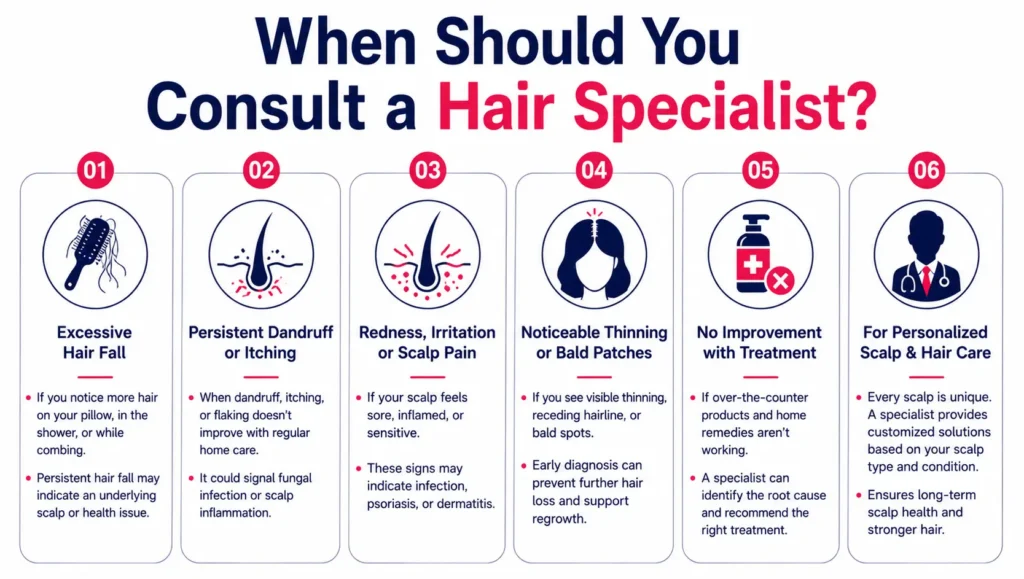
If you are asking, can dandruff cause hair loss, and your symptoms continue despite regular treatment, it is time to consult a hair specialist. While mild dandruff usually responds to medicated shampoos and good scalp care, persistent hair fall, severe itching, or scalp irritation may point to an underlying condition. According to the American Academy of Dermatology, ongoing scalp inflammation can affect hair health and should receive professional evaluation. A hair specialist can identify the exact cause of your symptoms, recommend targeted treatments, and help prevent further hair shedding. Early diagnosis improves treatment outcomes and supports long-term scalp and hair health.
Temporary hair shedding often improves once dandruff comes under control. However, if you still wonder can dandruff cause hair loss after experiencing continuous hair fall for more than two to three months, you should seek professional advice. Persistent shedding may indicate additional causes such as nutritional deficiencies, hormonal imbalances, thyroid disorders, stress, or genetic hair loss. A hair specialist can examine your scalp, review your medical history, and recommend tests if needed. Early diagnosis helps identify the real cause before hair thinning becomes more noticeable. Prompt treatment not only controls dandruff but also protects healthy hair follicles and supports stronger, healthier hair growth over time.
Temporary hair shedding often improves once dandruff comes under control. However, if you still wonder can dandruff cause hair loss after experiencing continuous hair fall for more than two to three months, you should seek professional advice. Persistent shedding may indicate additional causes such as nutritional deficiencies, hormonal imbalances, thyroid disorders, stress, or genetic hair loss. A hair specialist can examine your scalp, review your medical history, and recommend tests if needed. Early diagnosis helps identify the real cause before hair thinning becomes more noticeable. Prompt treatment not only controls dandruff but also protects healthy hair follicles and supports stronger, healthier hair growth over time. For more information about the common causes, diagnosis, and treatment of hair loss, visit the MedlinePlus Hair Loss Guide
Persistent or intense itching is more than just an inconvenience. If you are asking, can dandruff cause hair loss, severe itching may increase the risk of temporary hair shedding because frequent scratching irritates the scalp and weakens hair strands. While mild itching is common with dandruff, severe itching may signal conditions such as seborrheic dermatitis, eczema, psoriasis, or a fungal scalp infection that require medical attention.
| Symptom | What It May Indicate |
| Mild itching | Common dandruff |
| Severe, constant itching | Scalp inflammation or infection |
| Itching with redness | Seborrheic dermatitis or eczema |
| Itching with thick scales | Psoriasis or severe dandruff |
| Itching with increased hair fall | Scalp irritation affecting hair health |
A hair specialist can identify the underlying condition and recommend the most effective treatment.
A bleeding scalp is never a normal symptom of dandruff. If you are wondering, can dandruff cause hair loss, frequent scratching caused by severe itching can break the skin, leading to bleeding, pain, and an increased risk of infection. Open wounds also make the scalp more inflamed, which may worsen temporary hair shedding. Seeking medical care early helps protect both your scalp and your hair.
Examples of situations that require immediate medical attention include:
A hair specialist can diagnose the underlying cause, treat the scalp safely, and recommend therapies that promote healing while reducing dandruff-related hair fall.
So, can dandruff cause hair loss? The answer is yes—but usually in an indirect and temporary way. Dandruff does not permanently damage hair follicles, but persistent scalp inflammation, excessive scratching, fungal overgrowth, and poor scalp hygiene can weaken hair roots and increase hair shedding. The good news is that most dandruff-related hair fall improves with early diagnosis, proper scalp care, and evidence-based treatments. Maintaining a healthy scalp is essential for strong, healthy hair growth and long-term hair health.
If your dandruff persists, your hair fall continues for more than a few months, or you notice severe itching or scalp irritation, don’t ignore the symptoms. Consult the experienced hair specialists at HairPro16 for a comprehensive scalp evaluation and a personalized treatment plan. With expert care and advanced hair restoration solutions, you can control dandruff, reduce hair fall, and regain healthier, stronger hair with confidence can dandruff cause hair loss. Stop guessing and start treating the real cause of your hair fall. Schedule a consultation with HairPro16 for a detailed scalp analysis and a customized treatment plan designed to reduce dandruff, control hair fall, and promote healthier hair growth.
1. Can dandruff cause hair loss?
Yes, dandruff can contribute to temporary hair loss. While it does not permanently damage hair follicles, scalp inflammation, itching, and frequent scratching can weaken hair roots and increase hair shedding.
2. Is dandruff-related hair loss permanent?
No. In most cases, dandruff-related hair loss is temporary. Once the underlying dandruff is treated and scalp health improves, normal hair growth usually resumes.
3. How can I stop hair fall caused by dandruff?
Use a medicated anti-dandruff shampoo, maintain good scalp hygiene, avoid scratching your scalp, eat a balanced diet, and consult a hair specialist if hair fall continues for more than 2–3 months.
4. Which anti-dandruff shampoo is best for hair loss?
Shampoos containing ketoconazole, zinc pyrithione, selenium sulfide, or salicylic acid are commonly recommended to control dandruff and reduce dandruff-related hair shedding. A dermatologist can help you choose the right one.
5. Can an oily scalp increase dandruff and hair fall?
Yes. Excess oil can encourage the growth of Malassezia yeast, leading to dandruff, scalp irritation, and temporary hair shedding if left untreated.
6. Does scratching a dandruff-affected scalp cause more hair loss?
Yes. Constant scratching can irritate the scalp, weaken hair strands, and increase hair breakage and temporary hair fall.
7. When should I see a hair specialist for dandruff and hair loss?
Consult a hair specialist if your dandruff persists despite treatment, your hair fall lasts longer than 2–3 months, or you experience severe itching, redness, pain, or a bleeding scalp.
8. Can stress make dandruff and hair loss worse?
Yes. Stress can trigger dandruff flare-ups and disrupt the normal hair growth cycle, leading to increased hair shedding in some individuals.
9. Are home remedies enough to treat dandruff-related hair loss?
Home remedies may help mild dandruff, but persistent or severe dandruff often requires medicated treatments recommended by a healthcare professional for effective control.
10. How can I prevent dandruff and maintain a healthy scalp?
Wash your hair regularly with a suitable shampoo, keep your scalp clean, avoid harsh hair products, eat a nutrient-rich diet, manage stress, and seek early treatment if dandruff symptoms persist.