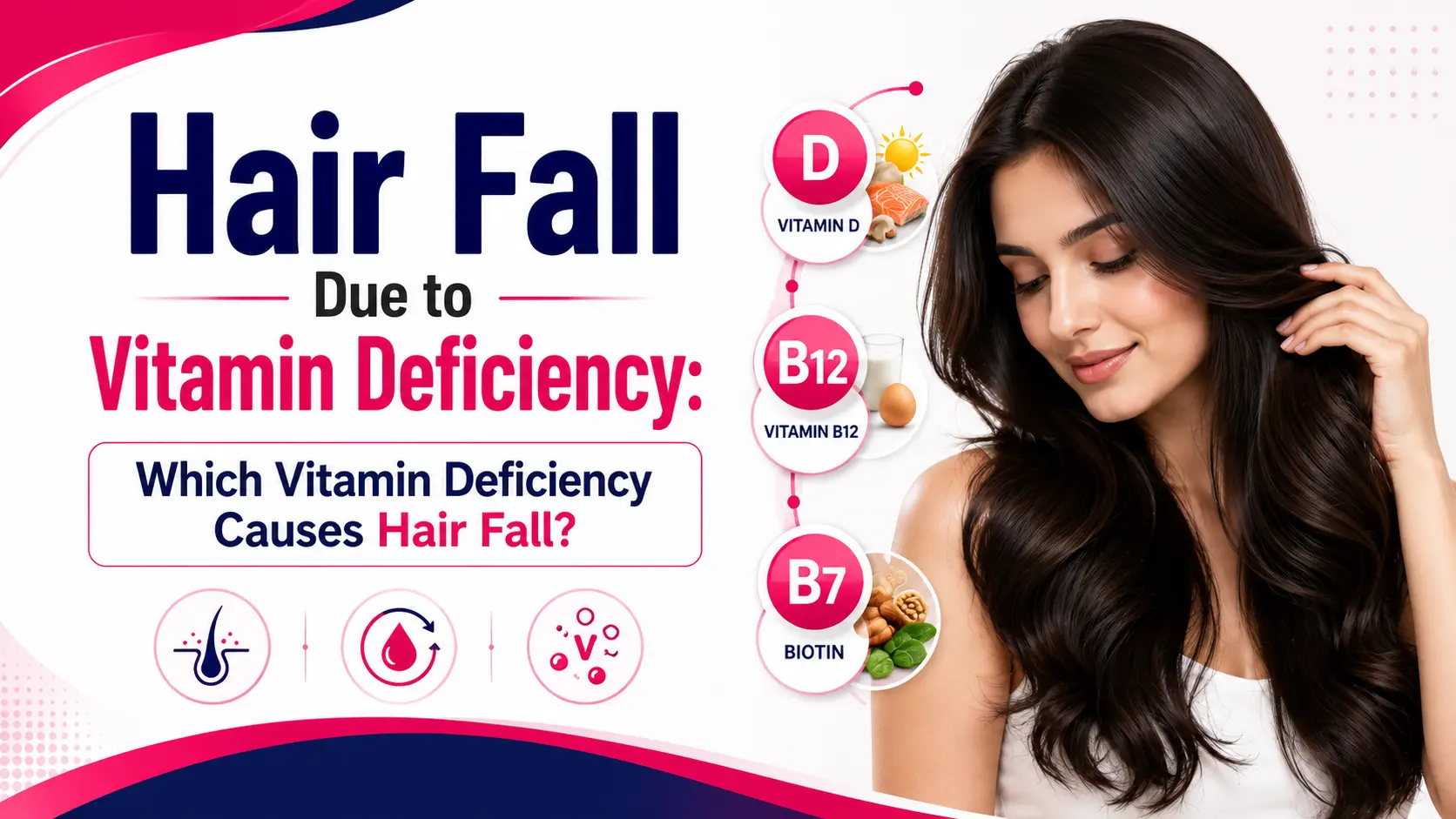

Hair fall can feel frustrating, especially when you follow a healthy hair care routine but still notice excessive shedding. In many cases, hair fall due to vitamin deficiency plays an important role because hair follicles need essential nutrients to grow and regenerate. Research shows that low Vitamin D levels commonly occur in people with non-scarring hair loss, including telogen effluvium and androgenetic alopecia. A systematic review also found that individuals with alopecia areata had nearly 3.9 times higher odds of Vitamin D deficiency than healthy controls. However, vitamin deficiency is only one possible cause of hair loss. This guide explains which vitamin deficiencies affect hair growth, their symptoms, diagnostic tests, food sources, and practical steps to restore healthier, stronger hair through evidence-based care. Concerned about persistent hair fall? If you’re unsure whether a vitamin deficiency is affecting your hair health, the experts at Hair Pro 16 can help identify the underlying cause through a comprehensive hair and scalp evaluation.
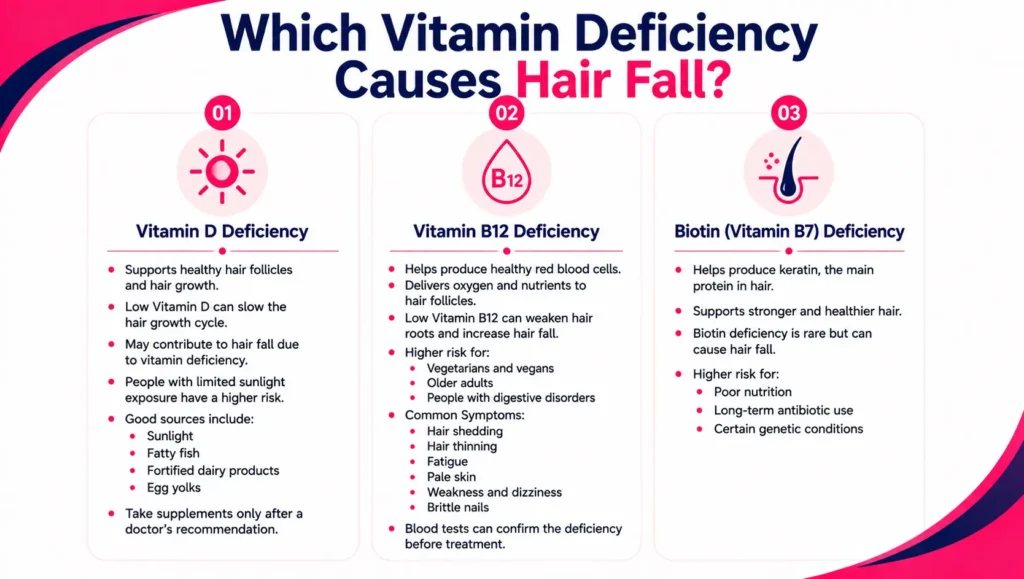
Hair fall due to vitamin deficiency often occurs when your body lacks nutrients that support healthy hair follicles and the natural hair growth cycle. The most common deficiencies include Vitamin D, Vitamin B12, Biotin (Vitamin B7), Folate, Vitamin C, and Vitamin E. Iron deficiency, although not a vitamin deficiency, also contributes to excessive hair shedding. Research suggests that low Vitamin D levels appear frequently in people experiencing different types of hair loss. However, not every case of hair fall results from nutritional deficiencies. A healthcare professional can identify the exact cause through blood tests and recommend the right treatment instead of unnecessary supplements.
Vitamin D plays a key role in maintaining healthy hair follicles and supporting new hair growth. When your Vitamin D levels drop, the hair growth cycle can slow down, which may contribute to hair fall due to vitamin deficiency. Several clinical studies have found that people with conditions such as diffuse hair loss and alopecia often have lower Vitamin D levels than those without hair loss. Adults who spend little time outdoors, wear full-body covering clothing, or have limited dietary intake face a higher risk of deficiency. You can improve your Vitamin D levels by getting safe sunlight exposure, eating fatty fish, fortified dairy products, egg yolks, and taking supplements only if your doctor recommends them after proper testing. Vitamin D Deficiency section after mentioning Vitamin D research.
Vitamin B12 helps your body produce healthy red blood cells that carry oxygen and nutrients to the hair follicles. Without enough Vitamin B12, hair roots may weaken, increasing the risk of hair fall due to vitamin deficiency. Vegetarians, vegans, older adults, and people with digestive disorders often face a higher risk because Vitamin B12 mainly comes from animal-based foods.
Common signs of Vitamin B12 deficiency include:
If blood tests confirm a deficiency, your doctor may recommend dietary changes, oral supplements, or Vitamin B12 injections depending on the severity of the condition.
Biotin, also known as Vitamin B7, supports keratin production, the protein that gives hair its strength and structure. Although true biotin deficiency remains uncommon, it can still contribute to hair fall due to vitamin deficiency in certain situations. People with genetic disorders, long-term antibiotic use, or poor nutritional intake may develop low biotin levels. However, taking biotin supplements without a confirmed deficiency does not guarantee faster hair growth.
For example:
Before starting any supplement, consult a healthcare professional and confirm the deficiency through appropriate medical evaluation.
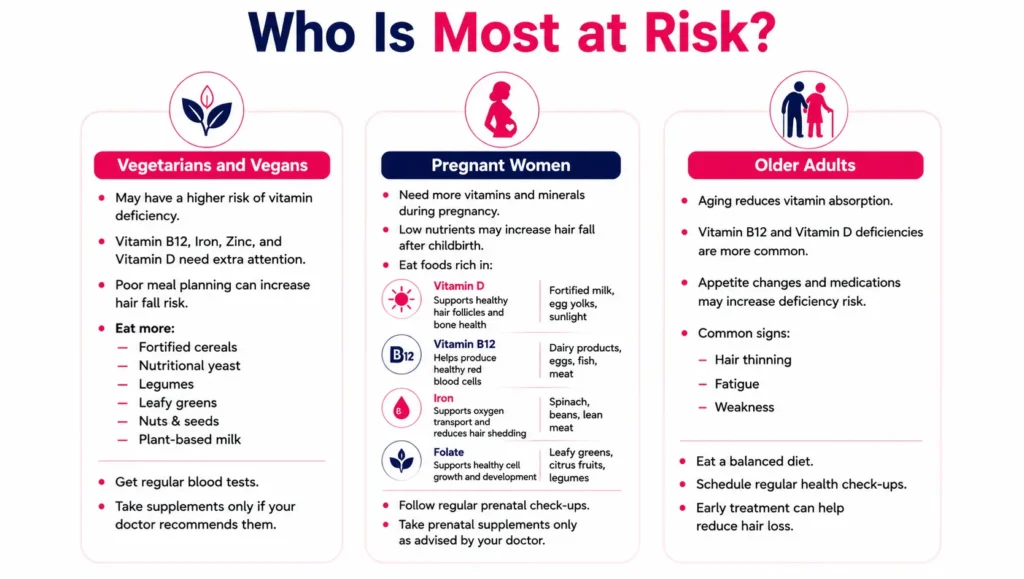
Anyone can experience hair fall due to vitamin deficiency, but some groups face a higher risk because their nutritional needs differ or their bodies absorb vitamins less efficiently. People who follow restrictive diets, older adults, pregnant women, and individuals with digestive disorders often require closer attention to their vitamin levels. Studies estimate that Vitamin B12 deficiency affects nearly 6% of adults under 60 and rises to around 20% in adults over 60. Early identification of nutritional deficiencies can help prevent excessive hair shedding and support healthier hair growth. Regular health check-ups, a balanced diet, and appropriate blood tests can reduce the risk of long-term hair problems.
Vegetarians and vegans may have a higher chance of developing hair fall due to vitamin deficiency because some essential nutrients occur mainly in animal-based foods. Vitamin B12, iron, zinc, and Vitamin D often require extra attention when following a plant-based diet. While a well-planned vegetarian or vegan diet can provide most nutrients, poor meal planning may increase the risk of deficiencies that affect hair health. Fortified cereals, nutritional yeast, legumes, leafy green vegetables, nuts, seeds, and plant-based milk help improve nutrient intake. Regular blood tests can identify deficiencies before they lead to noticeable hair loss. If required, a healthcare professional may recommend supplements to maintain healthy vitamin levels and support normal hair growth.
Pregnancy increases the body’s demand for vitamins and minerals because they support both the mother and the developing baby. If nutritional needs are not met, hair fall due to vitamin deficiency may become more noticeable, especially after childbirth. Regular prenatal care and a nutrient-rich diet help reduce this risk.
| Nutrient | Why It Matters During Pregnancy | Good Food Sources |
| Vitamin D | Supports healthy hair follicles and bone health | Fortified milk, egg yolks, sunlight |
| Vitamin B12 | Helps produce healthy red blood cells | Dairy products, eggs, fish, meat |
| Iron | Supports oxygen transport and reduces hair shedding | Spinach, beans, lean meat |
| Folate | Supports healthy cell growth and development | Leafy greens, citrus fruits, legumes |
Healthcare providers may also recommend prenatal supplements based on individual nutritional requirements.
Older adults often face a greater risk of hair fall due to vitamin deficiency because aging reduces the body’s ability to absorb certain nutrients, especially Vitamin B12 and Vitamin D. Appetite changes, chronic medical conditions, and long-term medication use can further increase the likelihood of nutritional deficiencies. Maintaining a balanced diet and scheduling routine health screenings become increasingly important with age.
For example:
Early diagnosis and proper nutritional care can help manage hair loss more effectively.
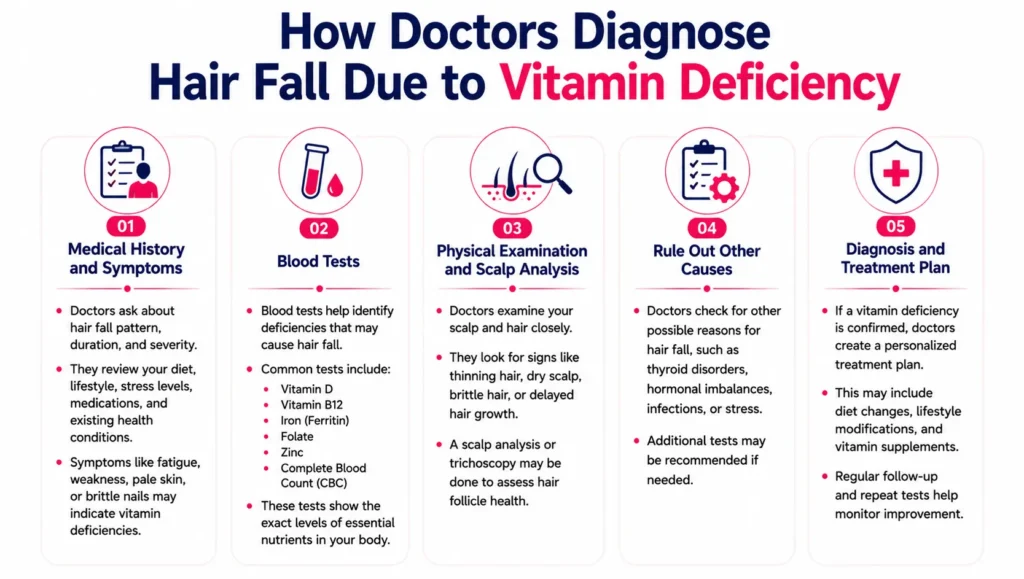
Doctors diagnose hair fall due to vitamin deficiency by combining your medical history, physical examination, and laboratory tests. They do not rely on hair loss alone because hormonal changes, genetics, stress, and medical conditions can produce similar symptoms. The diagnosis focuses on identifying the exact nutritional deficiency instead of guessing the cause. Research shows that nutritional deficiencies often contribute to diffuse hair shedding, but confirmation requires blood testing. Early diagnosis helps doctors recommend targeted treatment, prevent unnecessary supplements, and improve the chances of healthy hair regrowth. A comprehensive evaluation also rules out other conditions that may affect the hair growth cycle.
Your medical history gives doctors valuable clues about the cause of hair fall due to vitamin deficiency. They ask detailed questions about when the hair loss started, how quickly it progressed, and whether you noticed other symptoms such as fatigue, weight changes, or brittle nails. Doctors also review your diet, medications, family history, recent illnesses, pregnancy, and lifestyle habits. These details help identify possible nutritional gaps or medical conditions that contribute to hair loss. If you follow a vegetarian or vegan diet, have digestive disorders, or recently experienced significant weight loss, your doctor may suspect vitamin deficiencies and recommend additional testing before suggesting any treatment or supplements.
A physical hair examination helps doctors assess the pattern and severity of hair fall due to vitamin deficiency. They closely inspect your scalp, hair density, and hair shafts to determine whether nutritional deficiencies may contribute to the problem. This examination also helps distinguish vitamin-related hair loss from genetic, hormonal, or autoimmune conditions.
During the examination, doctors typically check:
The findings guide doctors in deciding which laboratory tests or additional evaluations are necessary.
Blood tests provide the most reliable way to confirm hair fall due to vitamin deficiency because they measure nutrient levels directly. Instead of recommending supplements based on symptoms alone, doctors use laboratory results to identify the specific deficiency and develop an appropriate treatment plan. They may also evaluate thyroid function or anemia, as these conditions can contribute to hair loss.
For example:
Common blood tests include Vitamin D, Vitamin B12, ferritin, iron profile, folate, complete blood count (CBC), and thyroid function tests to identify the underlying cause accurately. If you’re experiencing persistent hair loss, don’t rely on guesswork or self-medication. The specialists at Hair Pro 16 use advanced scalp analysis and diagnostic evaluations to identify whether vitamin deficiencies, hormonal changes, or other underlying conditions are causing your hair fall. Get a personalized treatment plan designed specifically for your hair health. If you’re experiencing persistent hair loss, don’t rely on guesswork or self-medication. The specialists at Hair Pro 16 use advanced scalp analysis and diagnostic evaluations to identify whether vitamin deficiencies, hormonal changes, or other underlying conditions are causing your hair fall.
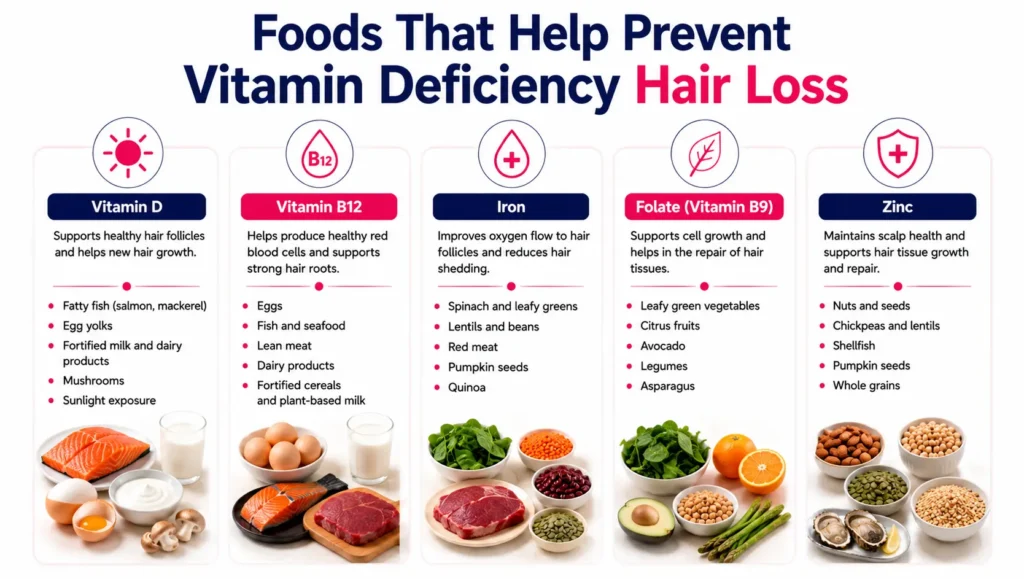
A balanced diet plays an important role in preventing hair fall due to vitamin deficiency by supplying the nutrients your hair follicles need for healthy growth. Vitamins and minerals support keratin production, cell repair, and blood circulation to the scalp. Studies show that nutritional deficiencies can contribute to excessive hair shedding, especially when diets lack essential vitamins. Including foods rich in Vitamin D, Vitamin B12, biotin, iron, folate, and Vitamin C helps maintain healthy hair over time. While no single food can stop hair loss completely, consistent healthy eating supports stronger hair and reduces the risk of deficiencies that may affect the normal hair growth cycle. Conclusion or When Should You Visit a Hair Specialist? section.
Vitamin D supports healthy hair follicles and helps regulate the hair growth cycle. If your diet lacks this nutrient, hair fall due to vitamin deficiency may become more likely, especially when combined with limited sunlight exposure. Although sunlight remains the primary source of Vitamin D, several foods also help maintain healthy levels. Fatty fish such as salmon, mackerel, and sardines provide excellent amounts of Vitamin D. Egg yolks, fortified milk, fortified plant-based beverages, yogurt, cheese, and fortified breakfast cereals also contribute to your daily intake.
Vitamin B12 supports red blood cell production and delivers oxygen to hair follicles, helping reduce the risk of hair fall due to vitamin deficiency. Since this vitamin naturally occurs in animal-based foods, vegetarians and vegans should pay special attention to their intake or choose fortified foods.
| Food | Vitamin B12 Source | Benefit for Hair Health |
| Fish (Salmon, Tuna) | Excellent | Supports healthy hair follicles |
| Eggs | Good | Promotes normal hair growth |
| Milk and Yogurt | Good | Helps maintain Vitamin B12 levels |
| Chicken and Lean Meat | Excellent | Supports oxygen delivery to hair roots |
| Fortified Breakfast Cereals | Fortified Source | Suitable for vegetarians |
| Fortified Plant-Based Milk | Fortified Source | Helps vegans meet daily needs |
A balanced diet combined with regular health check-ups helps maintain healthy Vitamin B12 levels.
Biotin, also known as Vitamin B7, helps your body produce keratin, the structural protein that strengthens hair. Eating biotin-rich foods supports healthy hair growth and may reduce the risk of hair fall due to vitamin deficiency when a nutritional deficiency exists. Most people can meet their daily biotin needs through a balanced diet without relying on supplements.
For example:
Including a variety of these foods in your weekly diet helps support long-term hair and scalp health.
Hair fall due to vitamin deficiency can often improve when you identify the underlying nutritional deficiency and take the right corrective steps. Vitamins such as Vitamin D, Vitamin B12, Biotin, Folate, Vitamin C, and Vitamin E support healthy hair growth, while iron also plays a vital role in maintaining strong hair follicles. Instead of taking supplements based on assumptions, consult a healthcare professional for a thorough evaluation and blood tests to determine the exact cause of your hair loss. A balanced diet, healthy lifestyle, and timely treatment can support long-term hair health and reduce unnecessary shedding. If you notice persistent or excessive hair fall, don’t delay seeking expert advice. Book a consultation with our hair specialists today to receive a personalized diagnosis and treatment plan for healthier, stronger hair. Restore Your Hair with Expert Care at Hair Pro 16 Persistent hair fall due to vitamin deficiency deserves more than temporary solutions. At Hair Pro 16, our experienced specialists perform detailed scalp analysis, identify nutritional and medical causes of hair loss, and create personalized treatment plans that support healthy, natural hair growth. Healthy eating supports stronger hair, but persistent hair fall often requires expert diagnosis
1. Which vitamin deficiency causes hair fall?
Vitamin D, Vitamin B12, Biotin, Folate, Vitamin C, and Vitamin E deficiencies can contribute to hair fall. Iron deficiency may also increase hair shedding.
2. Can hair fall due to vitamin deficiency be reversed?
Yes. Correcting the vitamin deficiency through a balanced diet, supplements, and medical guidance can help reduce hair fall and support healthy hair regrowth.
3. How can I identify vitamin deficiency hair loss?
Doctors diagnose vitamin deficiency hair loss using your medical history, scalp examination, and blood tests for Vitamin D, Vitamin B12, iron, and other nutrients.
4. Does Vitamin D deficiency cause hair loss?
Yes. Low Vitamin D levels may weaken hair follicles and disrupt the hair growth cycle, leading to increased hair shedding.
5. Is biotin effective for hair growth?
Biotin helps hair growth only if you have a confirmed biotin deficiency. It does not benefit everyone with hair loss.
6. Which foods help prevent vitamin deficiency hair loss?
Eat foods rich in Vitamin D, Vitamin B12, biotin, iron, folate, and Vitamin C, including eggs, fish, dairy, leafy greens, nuts, and legumes.
7. How long does hair regrowth take after treatment?
Most people notice reduced hair shedding within 6–12 weeks, while visible hair regrowth may take 3–6 months.
8. Who is at higher risk of vitamin deficiency hair loss?
Vegetarians, vegans, pregnant women, older adults, and people with digestive disorders have a higher risk of vitamin-related hair loss.
9. Should I take hair vitamins without testing?
No. Always consult a healthcare professional and confirm the deficiency through blood tests before taking vitamin supplements.
10. When should I see a hair specialist?
Visit a hair specialist if hair fall continues for several weeks, worsens suddenly, or comes with symptoms like fatigue or scalp problems.