
Hair thinning is a growing concern for men of all ages, but understanding the hair thinning causes in men can help you take the right steps before the problem worsens. According to the American Hair Loss Association, approximately two-thirds of men experience some degree of noticeable hair loss by the age of 35, and about 85% have significantly thinning hair by the age of 50. While genetics is the most common cause, hormonal changes, nutritional deficiencies, stress, medical conditions, and unhealthy lifestyle habits also contribute to thinning hair. The good news is that early diagnosis and appropriate treatment can slow hair loss and improve hair health. This guide explores the most common hair thinning causes in men, their warning signs, diagnosis, and effective treatment options to help you make informed decisions Noticing the early signs of hair thinning? Don’t wait until hair loss becomes more advanced. Book a consultation with the experts at Hair Pro 16 for a personalized hair and scalp assessment and discover the treatment options best suited to your needs.Learn more at Hair Pro 16
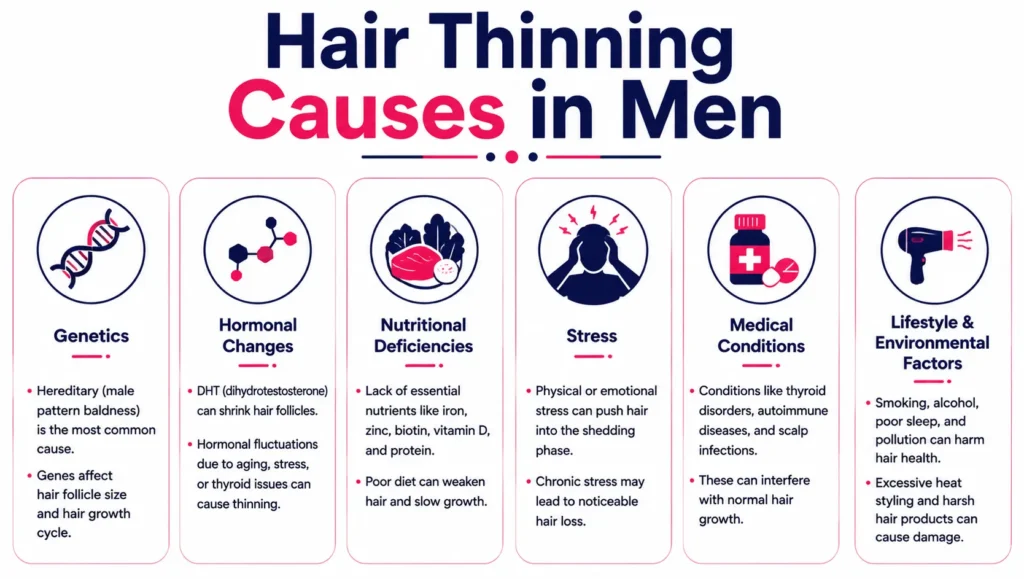
Hair thinning causes in men often develop gradually, but the reasons vary from person to person. Genetics remains the leading cause, while hormonal changes, nutrient deficiencies, stress, medical conditions, and poor lifestyle habits also contribute. Research shows that around 50% of men experience noticeable hair loss by the age of 50, making it one of the most common concerns worldwide. Identifying the exact cause helps you choose the right treatment instead of relying on temporary solutions. Understanding hair thinning causes in men early also improves the chances of slowing hair loss and supporting healthier, stronger hair growth over time.
Genetics is the most common factor behind hair thinning causes in men. If your father, grandfather, or close relatives experienced male pattern baldness, your risk increases significantly. This condition, also known as androgenetic alopecia, affects nearly 80% of men at some point in their lives. It occurs when hair follicles become sensitive to dihydrotestosterone (DHT), a hormone that gradually shrinks the follicles. As a result, new hair grows thinner and shorter until growth eventually stops. Most men first notice a receding hairline or thinning at the crown. Early diagnosis allows you to explore treatments such as medications, lifestyle improvements, or professional hair restoration before significant hair loss occurs. Understanding these hereditary hair thinning causes in men helps you seek timely treatment and protect healthy hair follicles before further thinning develops.
Hormonal imbalances play an important role in hair thinning causes in men. Changes in hormone levels can interrupt the normal hair growth cycle and weaken hair follicles over time. While DHT is the primary hormone linked to male pattern baldness, other hormonal conditions can also trigger thinning hair.
Common hormonal causes include:
Studies estimate that thyroid disorders affect millions of people worldwide, and hair thinning often appears as an early symptom. If hair loss develops suddenly or accompanies fatigue, weight changes, or dry skin, consult a healthcare professional for a hormone evaluation.
Vitamin and mineral deficiencies rank among the overlooked hair thinning causes in men. Hair follicles need a steady supply of nutrients to produce strong, healthy hair. When your body lacks essential vitamins or minerals, hair may become weaker, thinner, and more likely to shed.
Common examples include:
For example, a man with low iron levels may notice increased hair shedding alongside fatigue, while someone with low vitamin D may experience gradual thinning. A balanced diet and medical testing can help identify and correct these nutritional deficiencies before they lead to more noticeable hair loss.
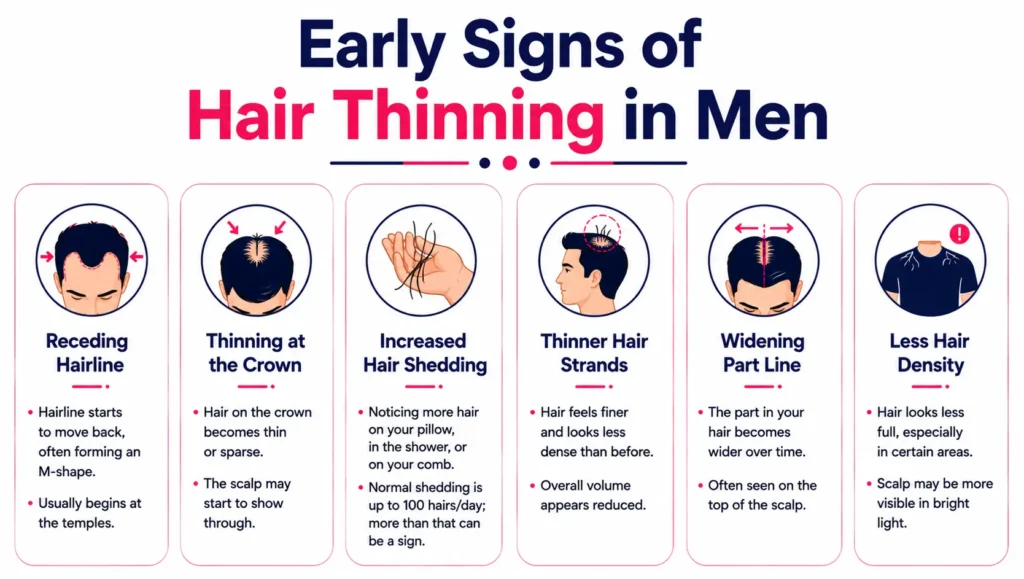
Recognizing the early signs of hair thinning causes in men can help you take action before significant hair loss occurs. Many men notice subtle changes months before visible bald spots appear. Studies show that male pattern hair loss affects nearly 50% of men by the age of 50, making early detection important. Common warning signs include a receding hairline, wider hair part, increased hair shedding, reduced hair volume, and a more visible scalp. Paying attention to these changes allows you to seek professional advice, improve your hair care routine, and choose treatments that support healthier hair growth. Recognizing these early symptoms of hair thinning causes in men helps doctors identify the underlying condition sooner and recommend personalized treatments that improve long-term hair health and reduce further hair loss hair thinning causes in men
A receding hairline is one of the earliest and most recognizable signs linked to hair thinning causes in men. It usually begins at the temples and gradually forms an “M” shape across the forehead. While some hairline changes occur naturally with age, rapid recession may indicate male pattern baldness, one of the leading hair thinning causes in men. Research suggests that more than two-thirds of men experience some degree of hairline recession by the age of 35. You may also notice thinner hair around the front of the scalp or difficulty styling your hair as before. Tracking changes with monthly photos helps you identify progression early. Prompt treatment and healthy lifestyle habits often improve the chances of slowing further hair thinning.
A wider hair part often signals the early stageur hair. Comparing recent photos with older ones can help you spot gradual changes before they become more noticeable.
| Sign | What It Indicates |
| Hair part appears wider | Reduced hair density |
| Scalp becomes more visible | Hair strands are getting thinner |
| Hair looks flat | Lower overall hair volume |
| Difficult to cover the scalp | Progressing hair thinning |
| Change remains over time | May require professional evaluation |
If the wider part continues to increase over several months, consult a hair specialist to identify the underlying cause and begin appropriate treatment.
Increased hair shedding is another common indicator of hair thinning causes in men. Losing 50 to 100 hairs each day is normal, but consistently shedding more than that may signal an underlying problem. You might notice extra hair on your pillow, in the shower drain, on your comb, or on your clothes. For example, if you find large clumps of hair after shampooing or significantly more strands while brushing, your hair growth cycle may have been disrupted. Stress, nutritional deficiencies, illness, hormonal changes, and genetics can all contribute to excessive shedding. Monitoring these changes and seeking medical advice early can help prevent further hair thinning and support healthier hair growth.
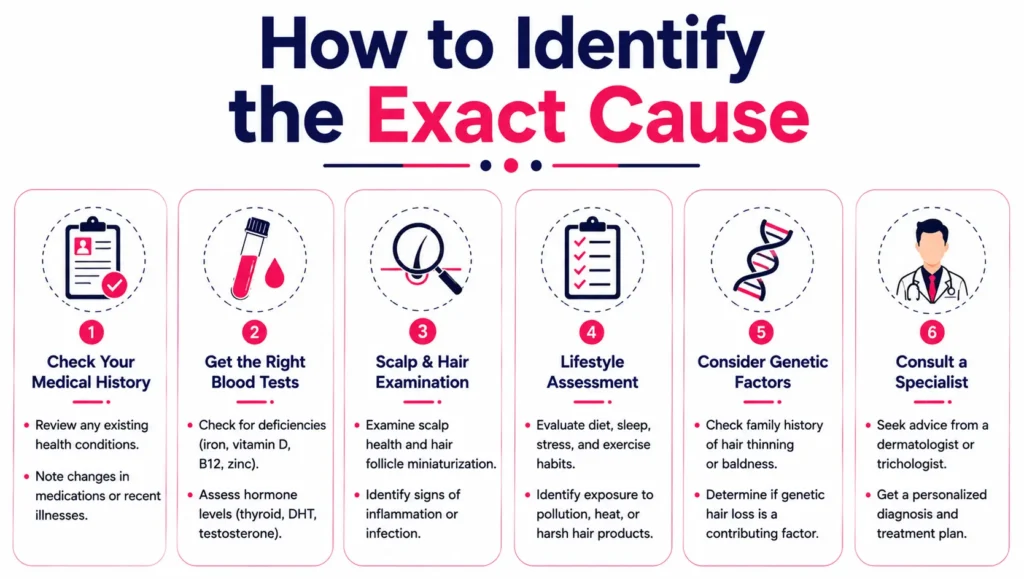
Identifying the exact reason behind hair thinning causes in men is the first step toward choosing the right treatment. Hair thinning can result from genetics, hormonal changes, nutritional deficiencies, stress, medical conditions, or poor hair care habits. Since different causes require different solutions, guessing often delays effective treatment. Studies show that early diagnosis improves treatment outcomes, especially for male pattern baldness. A healthcare professional may review your medical history, recommend blood tests, examine your scalp, and assess your lifestyle. Finding the root cause early helps prevent further hair thinning and supports healthier, stronger hair growth.
Reviewing your medical history helps doctors identify hair thinning causes in men more accurately. During the consultation, they ask about your family’s history of hair loss, recent illnesses, medications, stress levels, diet, and lifestyle habits. They also discuss when the hair thinning began and whether it developed suddenly or gradually. For example, a man with a strong family history of male pattern baldness may have a different diagnosis than someone who started losing hair after rapid weight loss or surgery. Sharing complete and honest information allows your healthcare provider to narrow down possible causes and recommend the most suitable treatment plan without unnecessary delays.
Blood tests help identify hidden hair thinning causes in men that may not appear during a physical examination. Nutritional deficiencies, hormonal imbalances, and certain medical conditions often affect hair growth before other symptoms become noticeable. These tests provide valuable information for accurate diagnosis.
Common blood tests include:
Your doctor recommends these tests based on your symptoms and medical history to identify the underlying cause and create an effective treatment plan.
A scalp examination allows healthcare professionals to identify visible hair thinning causes in men and assess the overall health of the scalp and hair follicles. During the examination, the doctor checks hair density, hair shaft thickness, scalp condition, and the pattern of hair loss. They also look for signs of inflammation, redness, dandruff, fungal infections, or scarring that may contribute to thinning hair. For example, a man with patchy hair loss may have an autoimmune condition such as alopecia areata, while someone with excessive dandruff and itching may experience hair thinning due to scalp inflammation. Combining a scalp examination with medical history and blood tests helps ensure a more accurate diagnosis and appropriate treatment plan.
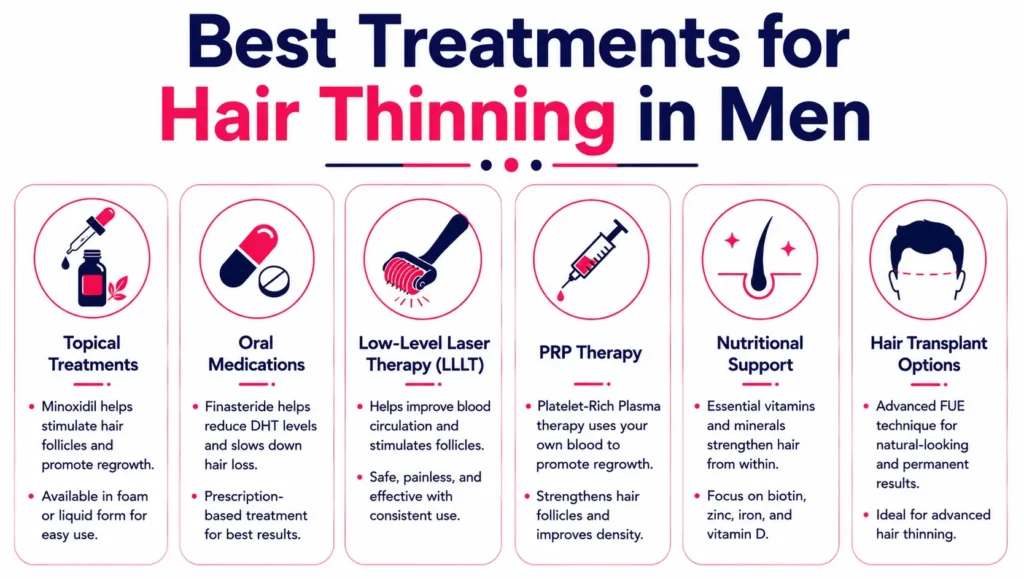
The best treatment for hair thinning causes in men depends on the underlying reason behind the hair loss. No single solution works for everyone, so an accurate diagnosis is essential. Studies show that early treatment offers better results, especially for male pattern baldness. Effective options include healthy lifestyle changes, a balanced diet, clinically approved medications, nutritional supplements, and advanced procedures such as PRP therapy or hair transplantation. Starting treatment as soon as you notice thinning can help protect existing hair and improve long-term results. A combination of medical guidance and consistent hair care often delivers the best outcome.
Simple lifestyle changes can make a noticeable difference when managing hair thinning causes in men and causes of hair thinning in men . Healthy daily habits improve blood circulation, support hair follicles, and reduce factors that contribute to men hair loss. While lifestyle changes may not reverse genetic hair loss, they can slow progression and improve overall hair health to.
Aim to sleep 7–9 hours each night, exercise regularly, and manage stress through activities such as walking, meditation, or yoga. Avoid smoking because it reduces blood flow to the scalp and increases oxidative stress. Limit excessive alcohol consumption and stay hydrated throughout the day. Gentle hair care also matters—avoid harsh chemical treatments, excessive heat styling, and tight hairstyles. These consistent habits create a healthier environment for stronger hair growth and complement medical treatments when needed.
A balanced diet plays an important role in reducing hair thinning causes in men. Hair follicles require protein, vitamins, and minerals to produce healthy hair Eating nutrient-rich foods every day helps strengthen hair, reduce breakage, and support natural hair growth.
| Nutrient | Food Sources | Benefits for Hair |
| Protein | Eggs, chicken, fish, beans | Builds strong hair strands |
| Iron | Spinach, lean meat, lentils | Improves oxygen supply to follicles |
| Vitamin D | Fatty fish, fortified milk, egg yolks | Supports healthy hair growth cycle |
| Zinc | Pumpkin seeds, nuts, seafood | Promotes hair repair and growth |
| Omega-3 Fatty Acids | Salmon, walnuts, flaxseeds | Nourishes the scalp and hair follicles |
Combining these foods with proper hydration and a well-balanced meal plan supports healthier hair and overall wellness.
Hair growth medications remain one of the most effective treatments for hair thinning causes in men, especially when treatment begins early. Doctors commonly recommend clinically approved medications that slow hair loss and encourage new hair growth. Consistency is important because visible improvements often take three to six months. For example, Minoxidil is a topical solution that helps stimulate hair follicles and increase hair density. Finasteride is an oral prescription medication that lowers DHT levels, the hormone responsible for male pattern baldness. A man experiencing early crown thinning may benefit from Minoxidil, while someone with hereditary hair loss may see better results with Finasteride under medical supervision. Always consult a healthcare professional before starting any medication to ensure it matches your individual condition and health history.
Understanding the hair thinning causes in men is the key to protecting your hair and choosing the right treatment. While genetics remains the most common cause, factors such as hormonal changes, vitamin deficiencies, stress, medical conditions, and unhealthy lifestyle habits can also contribute to thinning hair. Identifying these causes early allows you to take effective steps before hair loss becomes more noticeable. Whether your treatment involves lifestyle improvements, nutritional support, medications, or advanced hair restoration procedures, early intervention often leads to better results. If you have noticed persistent hair thinning, don’t ignore the signs. Consult the hair care experts at HairPro16 for a personalized hair and scalp assessment and receive a treatment plan tailored to your specific needs. Taking action today can help you maintain healthier, stronger hair for the future. If dandruff, itching, or excessive hair shedding continues despite home care, it’s time to seek expert advice. The experienced team at HairPro16 offers advanced scalp analysis and customized treatment plans to help you control dandruff, reduce hair fall, and support healthy hair growth Schedule Your Consultation
1. What are the common hair thinning causes in men?
Genetics, hormonal changes, stress, vitamin deficiencies, medical conditions, medications, and poor lifestyle habits are the most common causes.
2. At what age does hair thinning start in men?
Hair thinning can begin in the late teens or twenties, but it becomes more common after the age of 30.
3. Can hair thinning in men be reversed?
Yes, some types of hair thinning can improve with early diagnosis and the right treatment.
4. Does stress cause hair thinning?
Yes. Long-term stress can disrupt the hair growth cycle and increase hair shedding.
5. Which vitamin deficiency causes hair thinning?
Low levels of iron, vitamin D, vitamin B12, zinc, and biotin may contribute to hair thinning.
6. How do doctors diagnose hair thinning?
Doctors use medical history, scalp examinations, and blood tests to identify the underlying cause.
7. What are the early signs of hair thinning?
A receding hairline, increased hair shedding, visible scalp, and reduced hair volume are common early signs.
8. What is the best treatment for hair thinning in men?
Treatment depends on the cause and may include lifestyle changes, medications, PRP therapy, or hair transplantation.
9. Can a healthy diet improve hair growth?
Yes. A nutrient-rich diet supports healthy hair follicles and promotes stronger hair growth.
10. When should I consult a hair specialist?
Consult a specialist if you notice sudden, excessive, or persistent hair thinning that continues for several weeks.